
Years of Experience Are Becoming an Overrated Indicator of Capability

Prasadd Bartakke

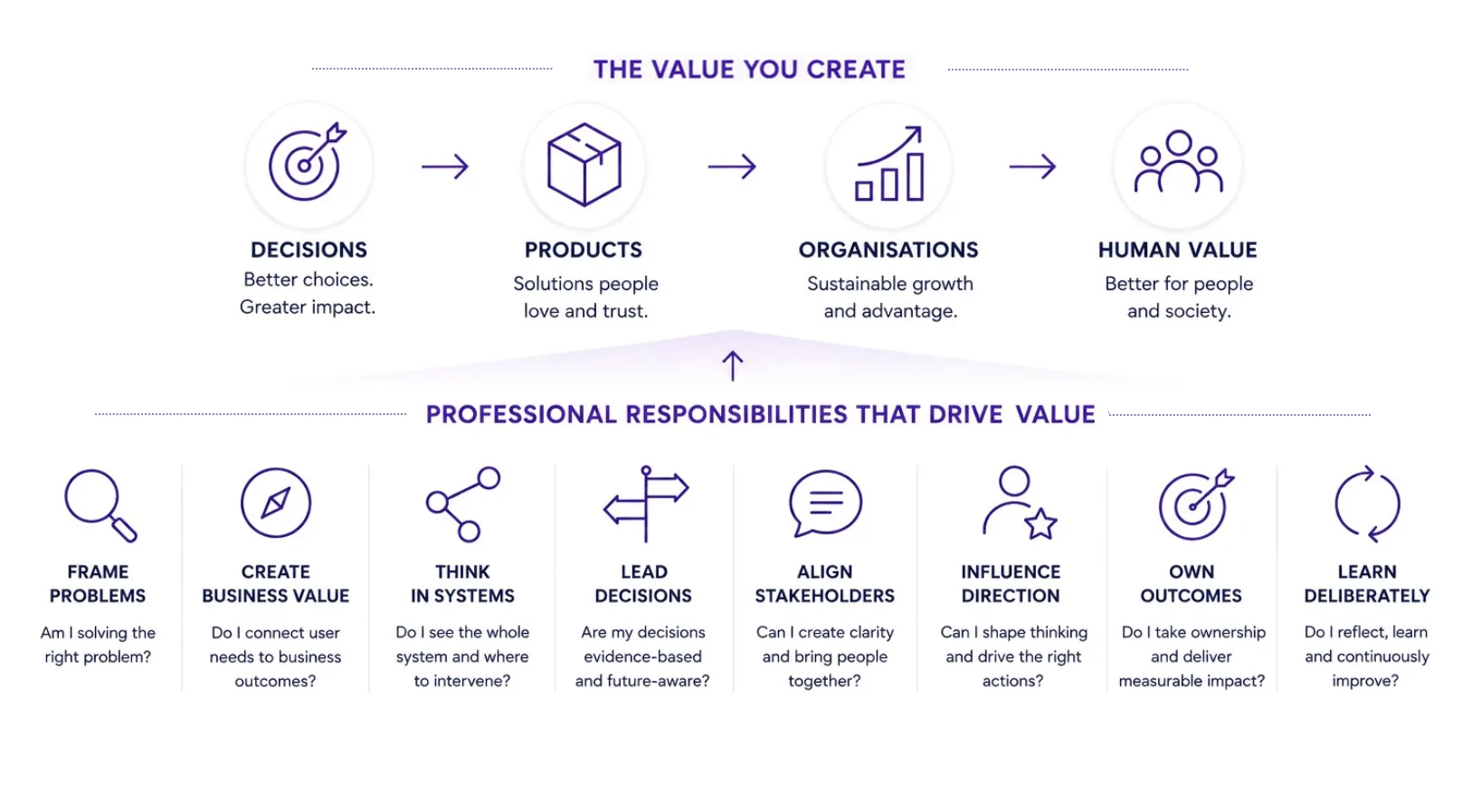
For decades, years of experience have been one of the most widely accepted ways of assessing professional capability. Job descriptions ask for them. Recruiters filter candidates by them. Organisations often equate them with readiness for greater responsibility.
Experience certainly matters. It provides exposure, context, and lessons that only time can offer.
However, years of experience tell us only how long someone has worked. They do not necessarily tell us whether that person has developed the capabilities needed to create value today.
This distinction is becoming increasingly important.
The nature of professional work is changing rapidly. AI is accelerating execution. Business problems are becoming more interconnected. Professionals are expected to think beyond their functional expertise, connect customer and business needs, navigate ambiguity, align diverse stakeholders, and create measurable outcomes.
These expectations demand capabilities that cannot be measured simply by time spent in a role.
Two professionals may each have ten years of experience. One may have spent those years repeating familiar patterns. The other may have deliberately expanded their ability to frame problems, think in systems, make better decisions, influence others, and create value across functions.
Both have ten years of experience.
Only one has significantly expanded their capability.
This is why organisations need to rethink how they assess talent and leadership potential. Years of experience should remain one input into the conversation—not the conclusion.
The more relevant question is no longer:
“How many years of experience does this person have?”
It is:
“What is this person capable of creating today?”
The answer to that question is a far stronger indicator of future contribution than the number of years listed on a résumé.
At yuj.dna, we believe capability is one of the few competitive advantages that grows stronger every time it is applied. It determines the quality of decisions we make, the products and services we create, the organisations we help build, and ultimately the value we create for people.
Experience records the past.
Capability shapes the future.